Start with sample identity, parameters, methods and reporting limits before deciding what a third-party report can support.
Record the report number, commissioning party, sample name, batch and receipt date against the purchasing or finished-product record. A raw material, development sample and production batch are different test objects.
Clarify abbreviations or unmatched batch references with the provider and retain the response. A similar product name does not justify transferring another sample’s results.
Capture each parameter, method, unit, result and stated comparison criterion. Check for continuation pages and annexes. Mark partial results as partial rather than calling the testing package complete.
Read “not detected” with the method and reporting limit; it does not mean absolute absence. Parameters omitted from the report should not be assumed to have passed.

Black and white close-up of tablet blister packs. Illustrative photograph by freestocks.org / Pexels. Illustrative image, not the specified product, an actual study or an ACC facility. Illustrative image, not the specified product, an actual study or an ACC facility.
Selected quality results do not verify every ingredient, batch or efficacy claim. A report, certification and market-access document each have a scope and should be assessed separately.
The FDA GMP guide provides US background on specifications and quality control. This article is not a universal mandatory testing list; the plan must suit the product and market.
Retain the full document, revision, source and internal review conclusion. Link its batch to purchasing or release records. Assign an owner and next step for incomplete supplementary tests.
Public summaries should stay within what the report directly supports, including dates and scope where needed. Explain the work performed rather than relying on an unexplained “tested” badge.
Sources checked 16 October 2026:FDA US GMP reference
Bring your target market, ingredient specifications and open questions to ACC Biotech for an OEM/ODM or sourcing discussion, or enquire via WhatsApp. Feasibility, documentation, costs and timing are confirmed for each project.
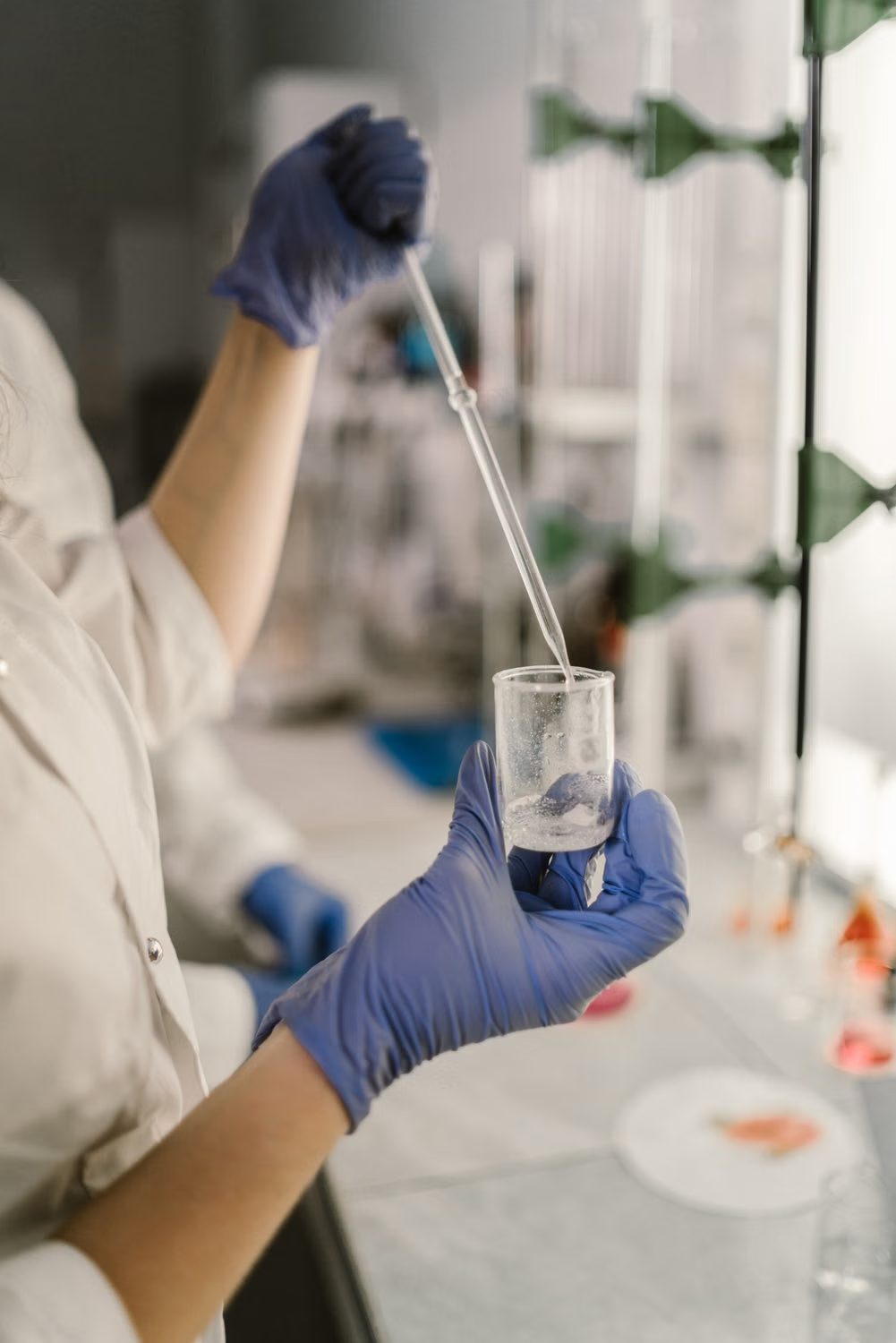
Cover: Gloved person using a pipette to handle a sample. Illustrative photograph by Jess Loiterton / Pexels. Not an ACC Biotech facility or a study of the specified ingredient. Illustrative image, not the specified product, an actual study or an ACC facility. Illustrative image, not the specified product, an actual study or an ACC facility.