Turn supplement sample feedback into a clear approval record covering the version, use conditions, packaging and unresolved questions before production planning.
Give each sample a reference and record receipt date, formula version, format, serving configuration and packaging status. Keep separate feedback for different flavours or filling options so the team does not combine observations from different samples.
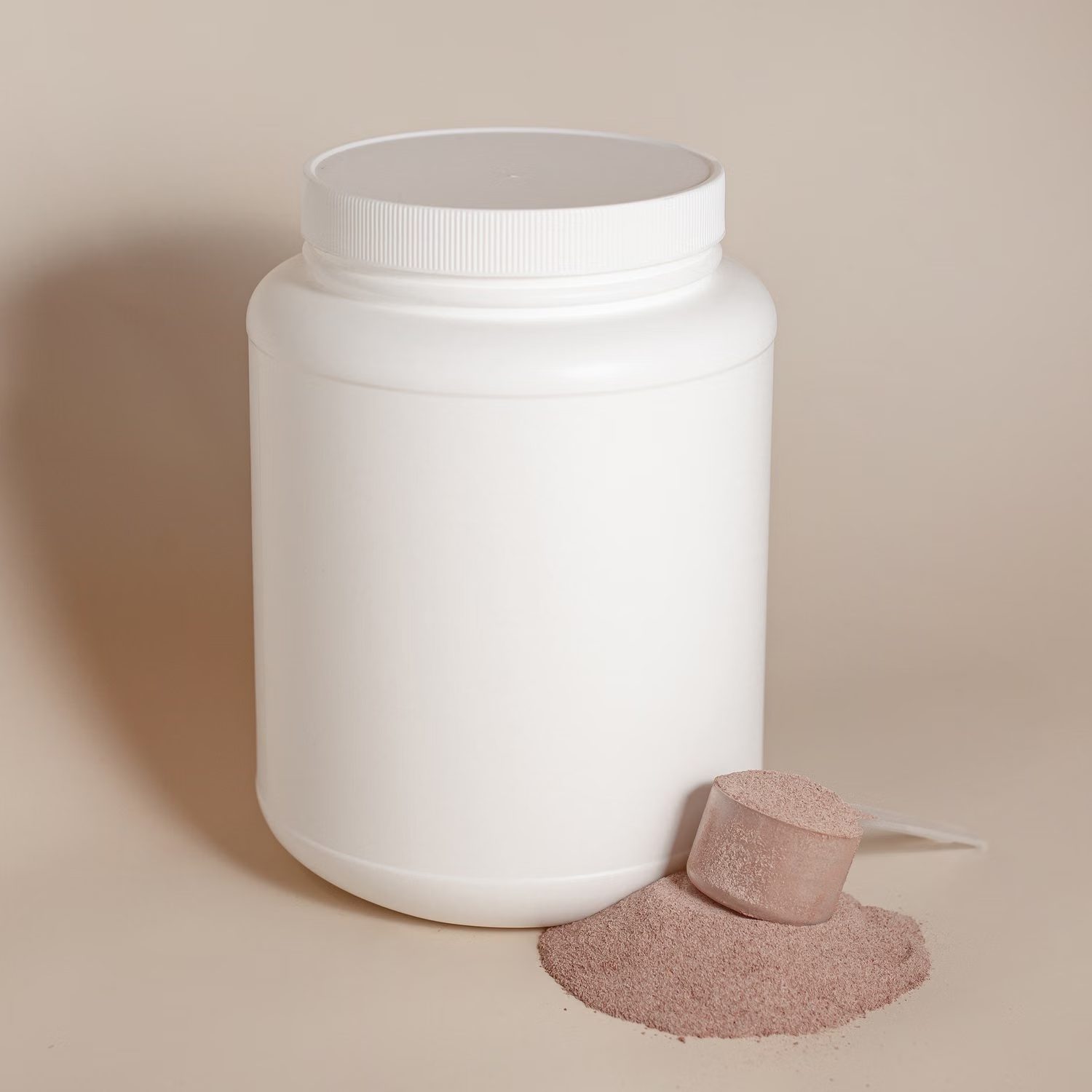
A temporary sample container is not necessarily the intended commercial pack. State what can be assessed now and what remains provisional. A loose powder sample cannot establish the sealing or transport performance of the finished sachet.
For powders, note water volume, temperature, mixing method and observation time before describing dispersion, sediment, aroma or taste. For capsules, record appearance and the user-experience questions relevant to the brief. “Too strong” is less useful than a specific observation under defined conditions.
Use suitable evaluators and an agreed method. Resolve technical and documentation questions before any inappropriate sample consumption. Sensory preference does not replace safety assessment, quality evidence or substantiation of efficacy.

Illustrative stock photograph of document review, not an actual supplement specification. Photo: Mikhail Nilov / Pexels.
Keep agreed acceptance criteria separate from desirable improvements. Clarify whether colour, dimensions, weight or analytical checks are formal requirements before reviewing the sample. Avoid inventing an acceptance threshold simply because a particular sample is in front of you.
As a US reference, the FDA dietary supplement GMP guide discusses specifications and quality control. It is not a universal Hong Kong sample-approval checklist. This article proposes an operational record for brand collaboration.
For each issue, capture the observation, requested change, owner and next action. Distinguish acceptance of this version, revision followed by another sample, and unresolved questions. A single “go ahead” should not stand for every project decision.
Retain the approved version, photographs and an appropriate reference-sample arrangement. Revisit affected checks if ingredients, serving configuration or packaging change. Sample acceptance, production scheduling and finished-batch release are separate decisions.
Bring your target market, product version and open questions to ACC Biotech for a supplement OEM/ODM or ingredient-sourcing discussion, or contact us on WhatsApp. Specifications, documentation and timing are confirmed for each project.
Cover is an illustrative stock photograph, not an ACC facility.Illustrative stock photograph of laboratory work and documentation. Photo: Edward Jenner / Pexels; not an ACC Biotech facility.