
“Patented ingredient” and “human research” attract attention in supplement OEM discussions. The practical question is more specific: does the available evidence support this finished formula, its intended use and the message your brand plans to communicate?
Research can inform ingredient selection, but a badge or headline cannot complete the assessment. Use the following framework to organise discussions between brand, purchasing and development teams, with scientific interpretation assigned to appropriately qualified reviewers.
The USPTO explains that a US patent grants rights to exclude others from practising an invention. Patent status therefore does not itself establish clinical effectiveness of a finished supplement or grant marketing permission.
Request three separate sets of documents: patent references and their scope, ingredient specifications and batch quality records, and complete research papers. These address different questions about commercial use, material quality and scientific evidence.
Containing an ingredient, using a researched ingredient and demonstrating a finished-product benefit are different statements. Write down your proposed wording, intended audience, serving instructions and destination market before reviewing evidence.
For the US market, the FTC’s Health Products Compliance Guidance addresses both express and implied advertising messages and their substantiation before publication. Ingredient research does not automatically substantiate claims for a combination product; relevant experts should assess whether finished-product studies are necessary for the specific claim. This is a US advertising example, not a universal legal conclusion for every market.
Build a side-by-side comparison for technical review. Record both what researchers tested and what your project proposes:
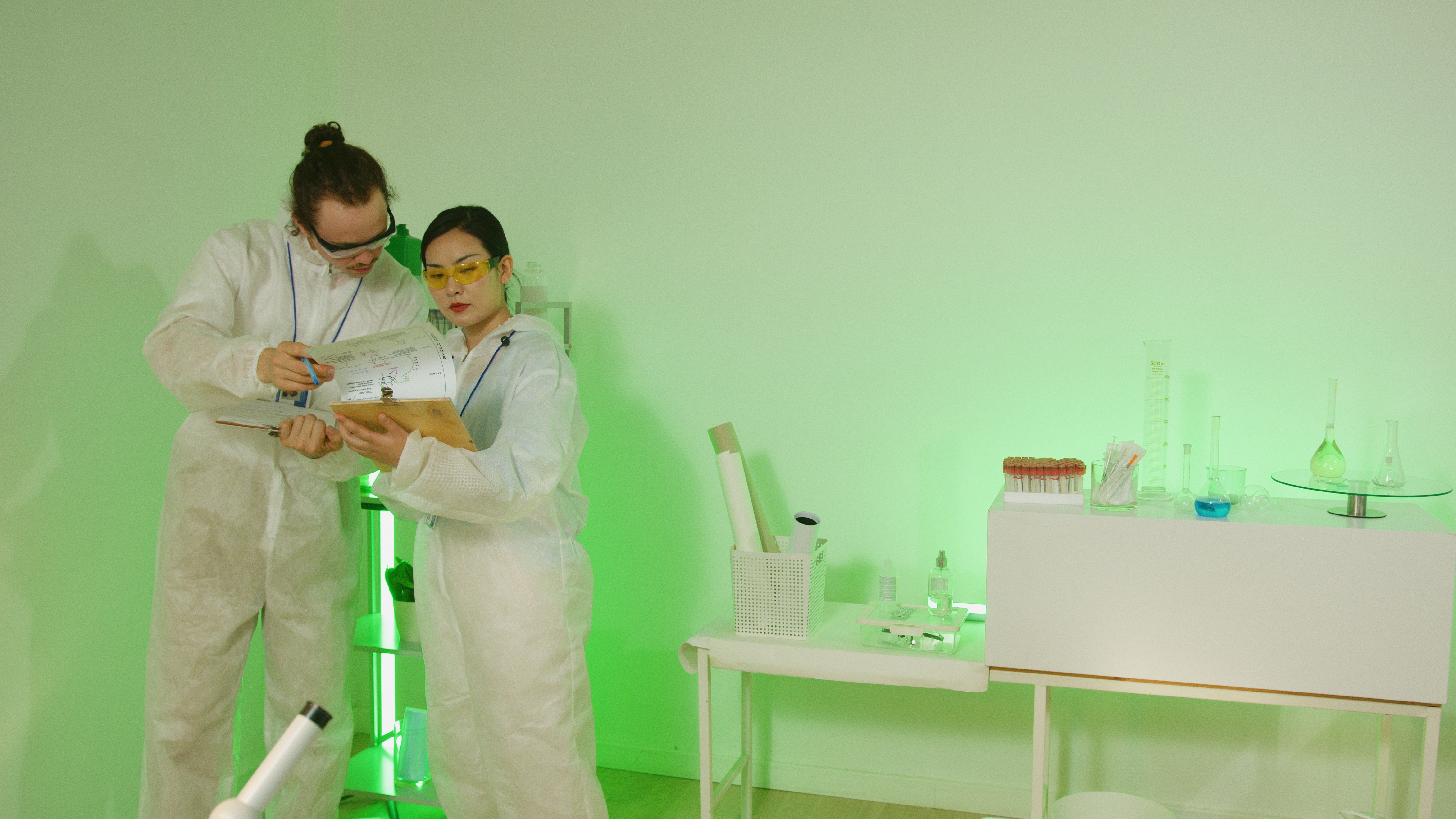
Illustrative stock photograph of research discussion, not a specific ingredient study. Photo: Artem Podrez / Pexels; not an ACC Biotech facility.
The NIH Office of Dietary Supplements (ODS) describes research approaches ranging from cell and animal work to human studies. They answer different questions. When presented with a mechanism study, ask what directly relevant human evidence is available.
The NCCIH research checklist highlights participant numbers, meaningful effect sizes, population, duration, limitations and replication. Ask reviewers to distinguish a statistical difference from a practically meaningful result. Reading a full paper helps reveal conditions that an attractive abstract sentence may leave out.
Supplier information is an important starting point for locating ingredient documents and research. Identify whether each item is a sales presentation, abstract, complete paper or study performed by another team. Record funding, author interests and who supplied the material.
Commercial funding does not automatically invalidate research, but the file should not contain favourable results alone. Ask qualified reviewers to consider the wider literature, independent studies, conflicting findings and unanswered questions. ODS ingredient information provides another starting point for health effects, safety and interactions; it does not endorse a particular brand.
Create a simple worksheet linking each proposed statement to its source, studied material, differences from your formula, review conclusion, responsible person and review date. This is a project-management suggestion, not a prescribed regulatory form.
For illustration, if a study ran for eight weeks but draft copy promises results in seven days, flag the discrepancy. This hypothetical example is not an efficacy or dosage recommendation for any ingredient. A longer observation period should not be casually converted into a shorter promise.
Before finalising artwork, align formulation, quality and marketing teams on approved wording and outstanding information. Revisit the assessment when specifications, amounts or formulas change. ODS also discusses adverse effects and medicine interactions, so retain relevant safety information alongside benefit summaries.
Prepare your target market, intended customers, product format, candidate ingredients and available research. Bringing these together helps suppliers and development teams understand what your project requires.
ACC Biotech offers supplement OEM/ODM services and ingredient sourcing. To discuss supplement OEM or raw materials, contact ACC Biotech or send a WhatsApp enquiry at +852 5544 1314.
Cover photo: Illustrative stock photograph of laboratory data review, not a specific ingredient study. Photo: Tima Miroshnichenko / Pexels; not an ACC Biotech facility.