Build a practical oral PDRN development brief covering material specifications, serving calculations, format trials, batch documents and launch requirements.
Begin an enquiry with the destination market, adult audience, proposed format and positioning. Request the ingredient name, source, composition, definition of content and analytical method. If DNA-fragment distribution data are available, retain their method and specification version for comparison.
Adding 100 mg of a compound ingredient is not the same as providing 100 mg of PDRN measured by a specified method. These figures illustrate a calculation, not a recommended intake. Document how carriers, compound ingredients and declared constituents relate to each other.
For a portable product, compare swallowing units, daily servings and pack size. For powders or drinks, include taste, dissolution or dispersion, formula compatibility and storage conditions in the sampling questions. Select a format through assessment of the actual ingredient and finished product.
If considering enteric or other coating technologies, define the release conditions to be tested. Release or dissolution results are not human absorption data or beauty-efficacy trials. A collagen combination also needs its own finished-product assessment before any synergy claim.
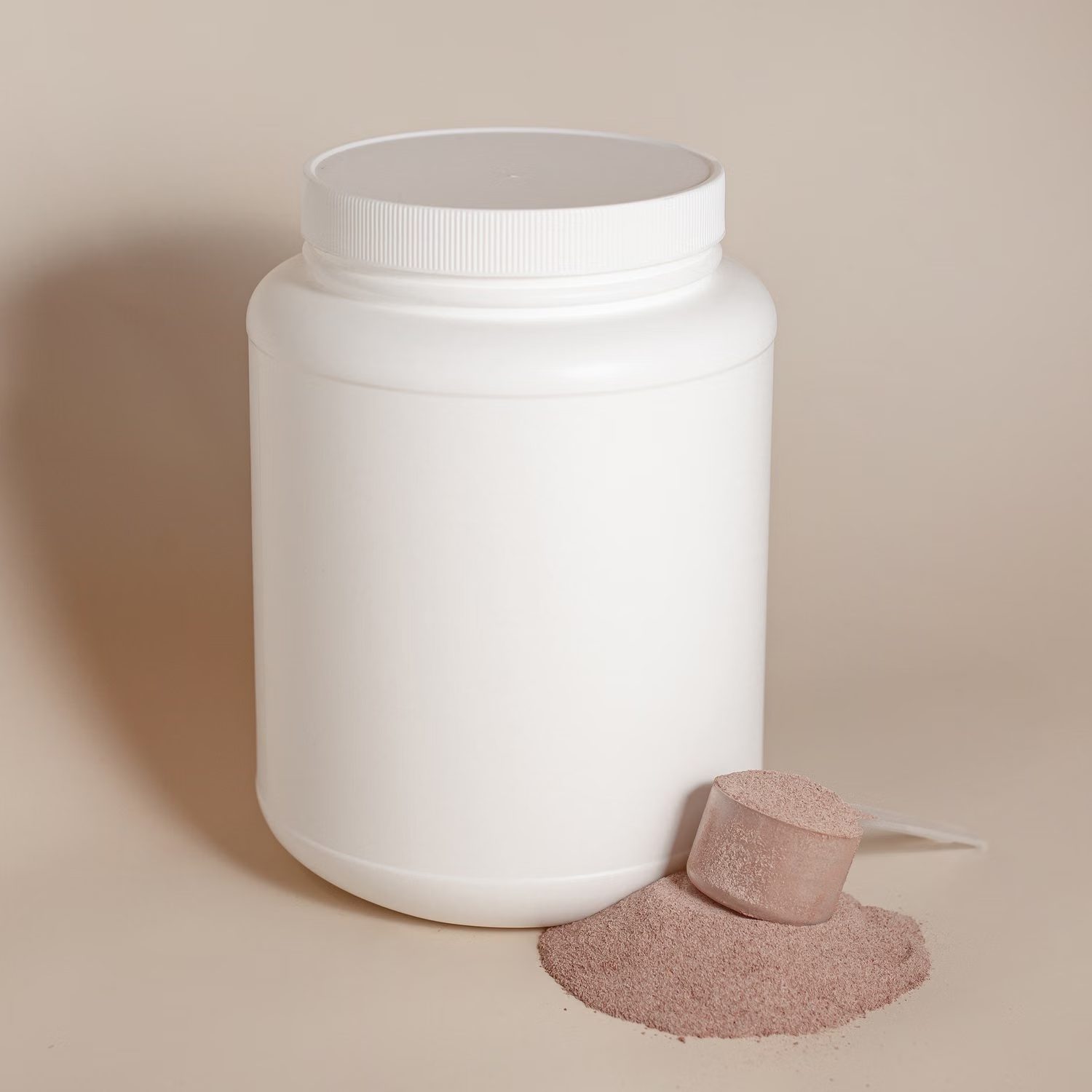
White powder container, scoop and powder. Illustrative photograph by Supplements On Demand / Pexels. Illustrative only; not the actual PDRN ingredient, finished product, study results or an ACC Biotech facility.
In May 2026, TCI announced an intention to work with SGS on a food PDRN content-testing method. This illustrates interest in verifiable content; the announcement does not establish a universal mandatory standard or an ACC Biotech certification.
Connect material batch numbers with COAs, analytical methods, sourcing and allergen information. Plan microbiological, contaminant, packaging-compatibility and stability assessments around the product and destination requirements. A batch COA does not establish efficacy or performance throughout shelf life.
Include the sales destination, audience, serving configuration, directions, packaging, quantity budget, target delivery date and required ingredient or finished-product studies. A shared list of unresolved questions helps suppliers respond to the same scope.
Before launch, review destination-specific ingredient, labelling and advertising requirements. Cosmetic or injectable documentation is not a food-market authorization. Separate ingredient, sampling, testing, packaging and logistics costs so quotations are comparable beyond a headline price per box.
Planning an own-brand oral PDRN product? Contact ACC Biotech to discuss OEM manufacturing and formulation development. Bring your market, format and packaging brief; ingredient availability, suitability, documents, minimum quantities and timing require project-specific confirmation.
Contact ACC Biotech · WhatsApp
Sources checked 5 November 2026: TCI announcement: intention to co-develop a food PDRN testing method (14 May 2026)
Cover: Black and white close-up of tablet blister packs. Illustrative photograph by freestocks.org / Pexels. Illustrative only; not the actual PDRN ingredient, finished product, study results or an ACC Biotech facility.