A probiotic product brief needs more than a large number on the front of the pack. Define strain identity, the research context, when the count is measured and the storage conditions. With those points in place, ACC Biotech can discuss ingredient sourcing, formulation, format and packaging against a clearer specification.
Record the genus, species and strain designation, using the supplier’s current documentation. For a multi-strain blend, identify each component rather than listing only a combined total. Research often concerns a particular strain and use. A result for one strain should therefore be assessed for relevance before it informs the positioning of a different strain or blend.
WGO guidance highlights strain identity and viable counts through the end of shelf life. CFU is a culture-based colony-forming measure. An ingredient count at release does not establish the count in a finished product after blending, filling and storage. Agree the units, sampling method and reporting timepoint for both the input material and the finished product.
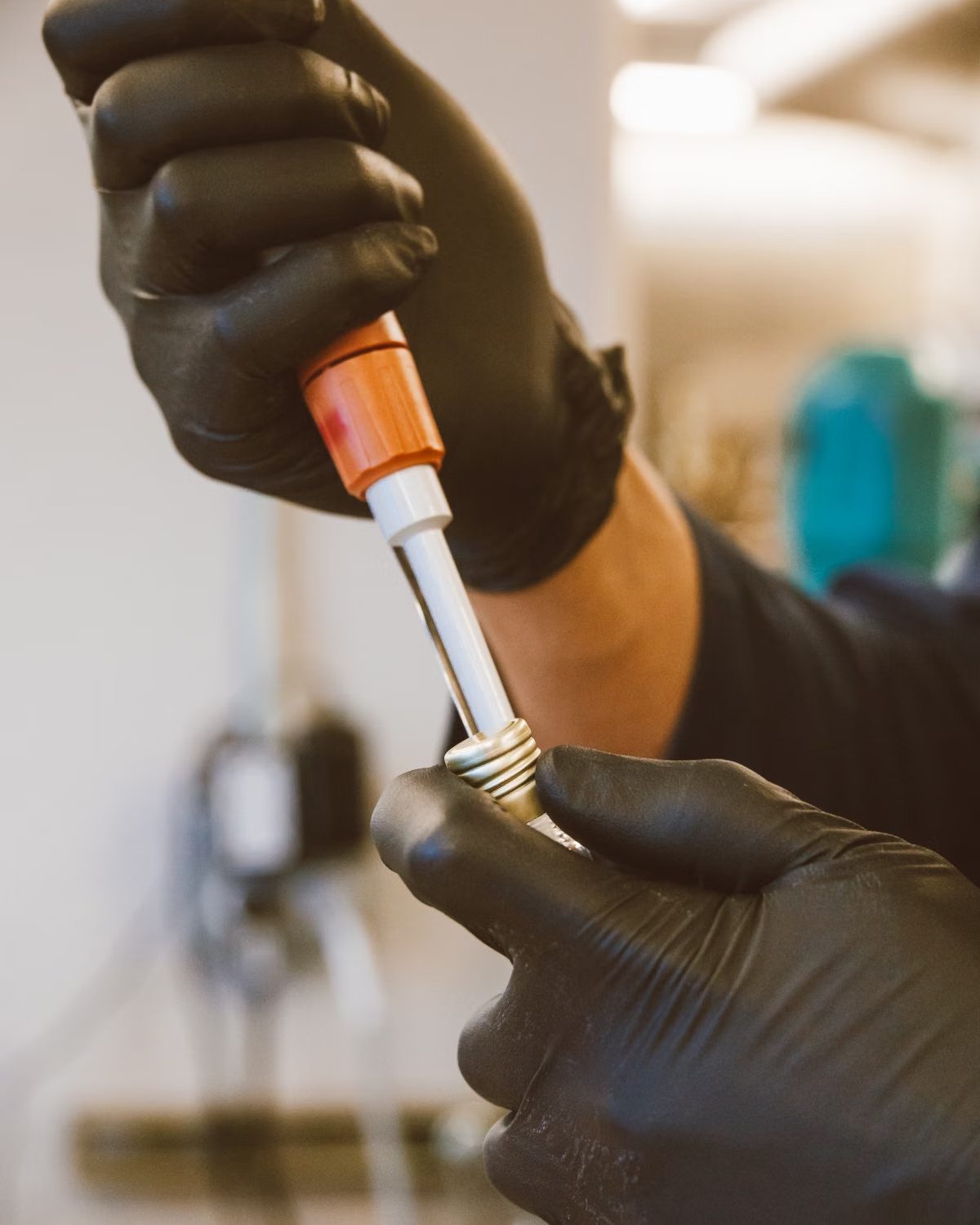
Gloved person using a pipette to handle a sample. Illustrative photograph by Jess Loiterton / Pexels. Not an ACC Biotech facility or a study of the specified ingredient.
Evaluate temperature, moisture and process exposure for the selected preparation. Compare bottle and sachet options with the intended transport route and use after opening. Other formula ingredients may change the storage environment, so the ingredient’s stability file does not settle the finished product’s shelf life. Include packaging and logistics in the feasibility discussion before committing to the label promise.
Inactivated preparations should not be compared as if their counts were viable CFU. Postbiotic projects require preparation-specific evidence and an appropriate characterization method. If your brief includes both conventional live probiotics and AKK options, identify the proposed form first. Then review the matching documents and finished-product assessment instead of treating different counting units as interchangeable.
Strain count alone is not a sufficient comparison. Start with the intended use, then assess the selected ingredients, amounts, evidence, blend compatibility and storage performance.
Contact ACC Biotech with your target market, ingredient direction, proposed serving or open questions, format, packaging and budget scope. We can discuss supplement OEM/ODM and ingredient sourcing. Available specifications, minimum quantities, documentation and delivery timing are confirmed for the individual project.
Contact ACC Biotech · WhatsApp enquiries · One-stop OEM/ODM service · Ingredient COA guide
WGO — Probiotics and prebiotics guideline
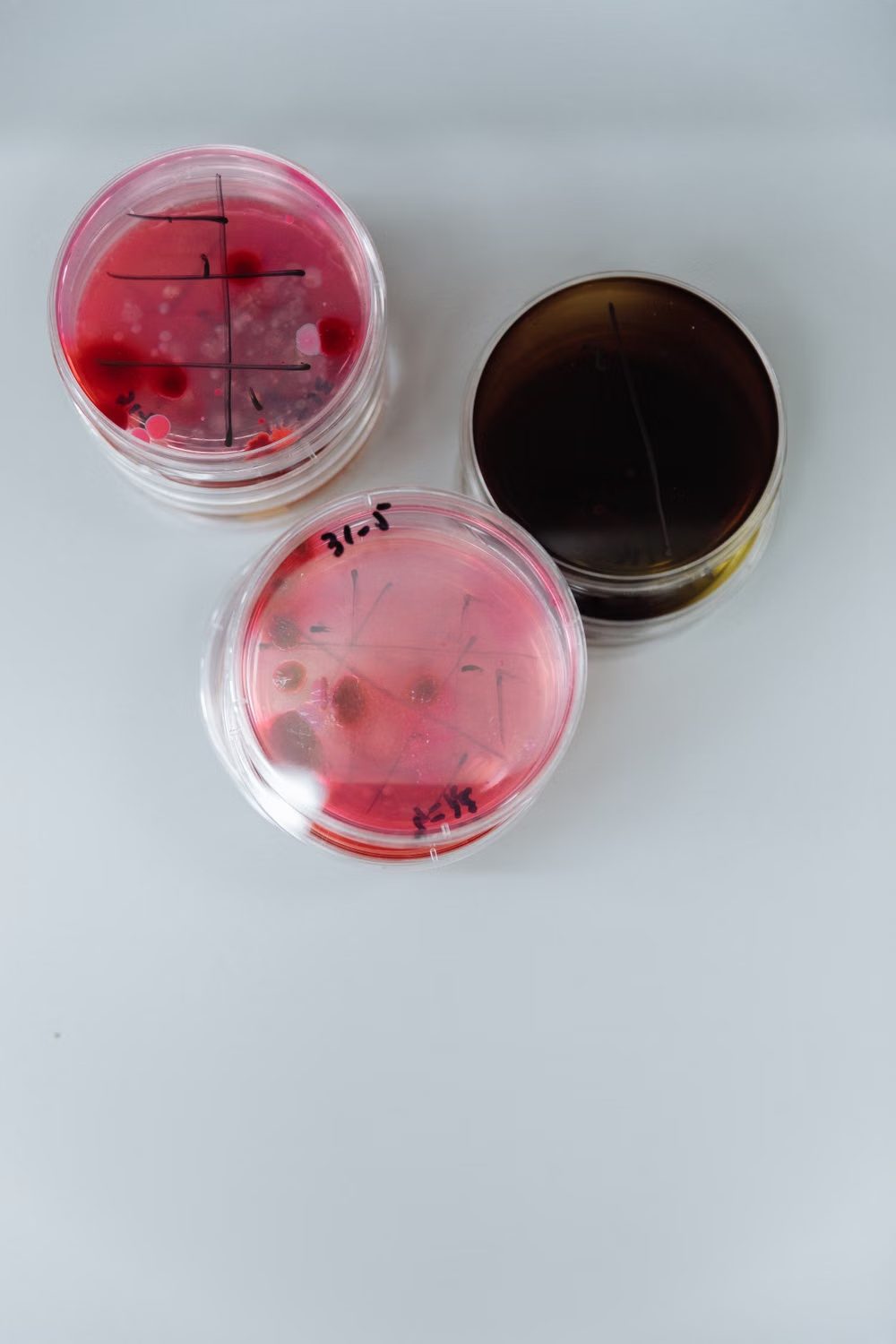
Cover: Three microbiological culture dishes on a table. Illustrative photograph by Thirdman / Pexels. Not an ACC Biotech facility or a study of the specified ingredient.
Sources checked: 8 October 2026. Real illustrative stock photographs; they do not depict ACC facilities, staff or product outcomes.