A 1,000 mg fish-oil input is not the same as 1,000 mg of omega-3 fatty acids. For lipid-based supplement development, separate total oil weight, EPA and DHA content, and the planned serving. This provides a clearer comparison of suppliers, formulation needs and the scope of an ACC Biotech OEM assessment.
NIH ODS notes that supplement formulations vary widely. Ask suppliers for the fatty-acid specification and batch results, then calculate the contribution per serving. An illustrative input providing 180 mg EPA plus 120 mg DHA supplies 300 mg of those two fatty acids combined. The remaining oil weight is not automatically EPA or DHA. These figures are an example rather than an ACC product specification or recommended dose.
Choose the oil source in relation to the intended customer and the actual composition. An algal origin alone does not establish its EPA-to-DHA balance. A vegan proposition also needs a review of capsule shells and other inputs. Specify source preferences, fatty-acid targets and required documentation before comparing quotations, rather than comparing kilogram prices for compositionally different oils.

Fish displayed on ice at a market. Illustrative photograph by Đạt Nguyễn / Pexels.
ODS describes several omega-3 forms, including triglycerides and ethyl esters. A form name helps identify a material, but is only one part of the sourcing assessment. Compare it alongside content, quality documentation, storage requirements and the finished-product design. A high-concentration label or a particular form does not on its own justify a better-health-outcome promise.
Discuss oxidation-related quality attributes, appropriate methods and acceptance criteria for the chosen oil and market. Connect those requirements with packaging, seals and distribution conditions. If your brand already has a target specification, provide it for assessment. Otherwise, share the desired fatty-acid contribution and positioning so available materials, feasible formats and a written production schedule can be considered together.
Check the selected material: commercial algal oils can have different fatty-acid profiles. Use the specified EPA and DHA data and batch documentation rather than inferring composition from the source category.
Contact ACC Biotech with your target market, ingredient direction, proposed serving or open questions, format, packaging and budget scope. We can discuss supplement OEM/ODM and ingredient sourcing. Available specifications, minimum quantities, documentation and delivery timing are confirmed for the individual project.
Contact ACC Biotech · WhatsApp enquiries · One-stop OEM/ODM service · Ingredient COA guide
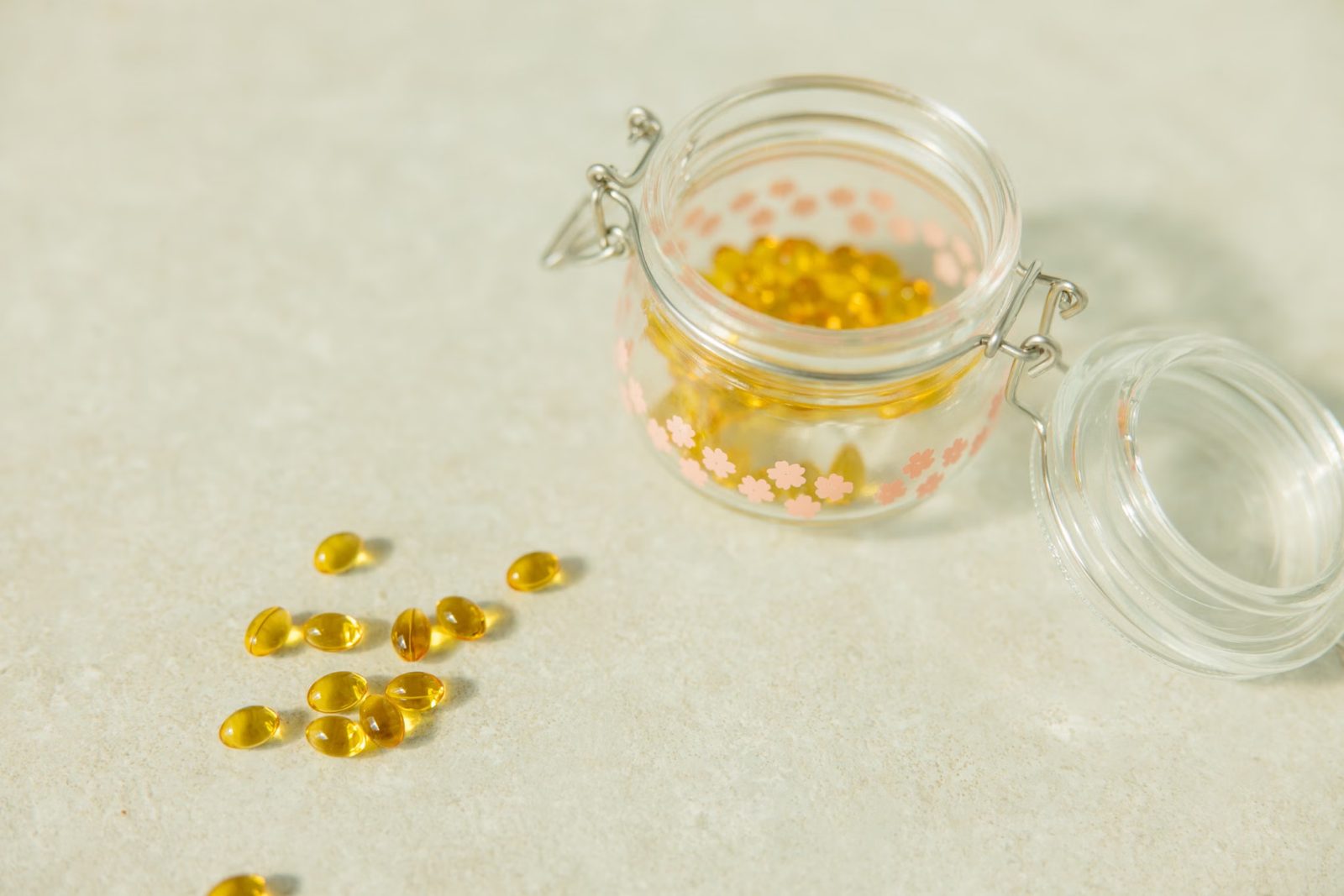
Cover: Glass jar and loose golden softgel capsules. Illustrative photograph by Yaroslav Shuraev / Pexels.
Sources checked: 8 October 2026. Real illustrative stock photographs; they do not depict ACC facilities, staff or product outcomes.