A list of popular ingredients is a starting point for a multi-ingredient supplement, rather than a finished design. Define what each ingredient contributes, its input amount and whether the combined formula can be manufactured and used as intended. This guide organizes the OEM discussion around formula logic, serving size, process compatibility and version control.
Describe the intended audience and use situation before selecting the ingredient list. For each material, record its role, relevant documentation and unresolved questions. Review whether two differently named materials contribute overlapping constituents without a clear reason. Evidence for individual ingredients does not automatically establish the performance of their blend; a synergy proposition needs evidence that addresses the proposed combination.
Include commercial carriers and necessary processing ingredients in the total blend. Check the mass balance before estimating capsule count or sachet weight. Where a material is standardized, record both its input weight and the calculated constituent amount. If the chosen format cannot accommodate the blend, review the design explicitly; proportionally reducing every ingredient can change the basis on which the formula was selected.
White powder on a vintage balance scale. Illustrative photograph by cottonbro studio / Pexels.
Evaluate the complete blend for flow, taste and moisture sensitivity. A mixture can behave differently from its separate components in dispersion, blending and filling. Differences in particle size and density also deserve process assessment. Use a sampling record covering appearance, use conditions, serving weight, manufacturing observations and the specific change requested for the next version.
Assign versions to the formula, ingredient specifications, packaging and artwork. A supplier change, different carrier or revised daily serving should trigger a documented review of manufacturing, quality and wording. US master-manufacturing-record requirements illustrate the importance of connecting ingredients and quantities with production records. They are a US example; the project’s applicable requirements depend on its destination.
Share the ingredient list, amounts per serving, specifications and desired format. Clearly identify missing information so the team can discuss which documents and samples are needed for a useful assessment.
Contact ACC Biotech with your target market, ingredient direction, proposed serving or open questions, format, packaging and budget scope. We can discuss supplement OEM/ODM and ingredient sourcing. Available specifications, minimum quantities, documentation and delivery timing are confirmed for the individual project.
Contact ACC Biotech · WhatsApp enquiries · One-stop OEM/ODM service · Ingredient COA guide
US example: 21 CFR 111.210 — Master manufacturing record
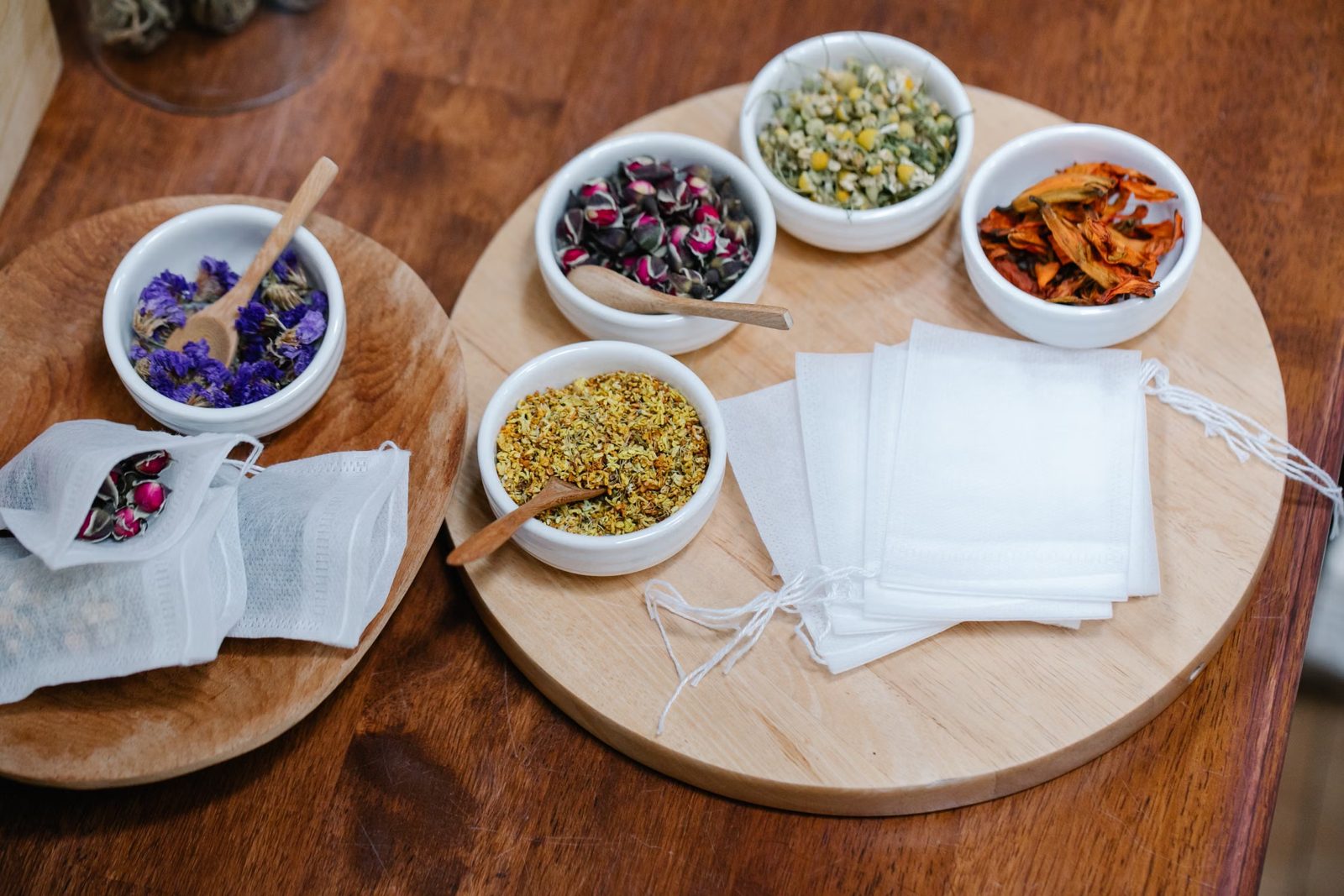
Cover: Assorted dried herbs and empty tea bags on wooden trays. Illustrative photograph by Anna Pou / Pexels.
Sources checked: 8 October 2026. Real illustrative stock photographs; they do not depict ACC facilities, staff or product outcomes.