Botanical purchasing starts with a clear question: does the delivered material match the agreed specification? A name, origin story or attractive photograph cannot answer every identity and quality question. Organize the brief around the material definition, documentation, samples and batch traceability to support a more focused ACC Biotech sourcing and OEM discussion.
Specify the scientific name, plant part, powder or extract type and relevant processing information. NIH product-integrity guidance emphasizes describing biological sources and chemical characteristics. Use the same material name across the specification, COA and sample labels. An internal shorthand such as herbal powder is convenient, but it is not a sufficient definition for the purchase order.
Raw plants, milled powders and extensively processed extracts may require different identity approaches. Ask the supplier and relevant laboratory what a method can establish and what its limitations are. Identify the test target, method and interpretation criteria in the documentation. The aim is a suitable assessment for the defined material, rather than accumulating a large number of unrelated tests.
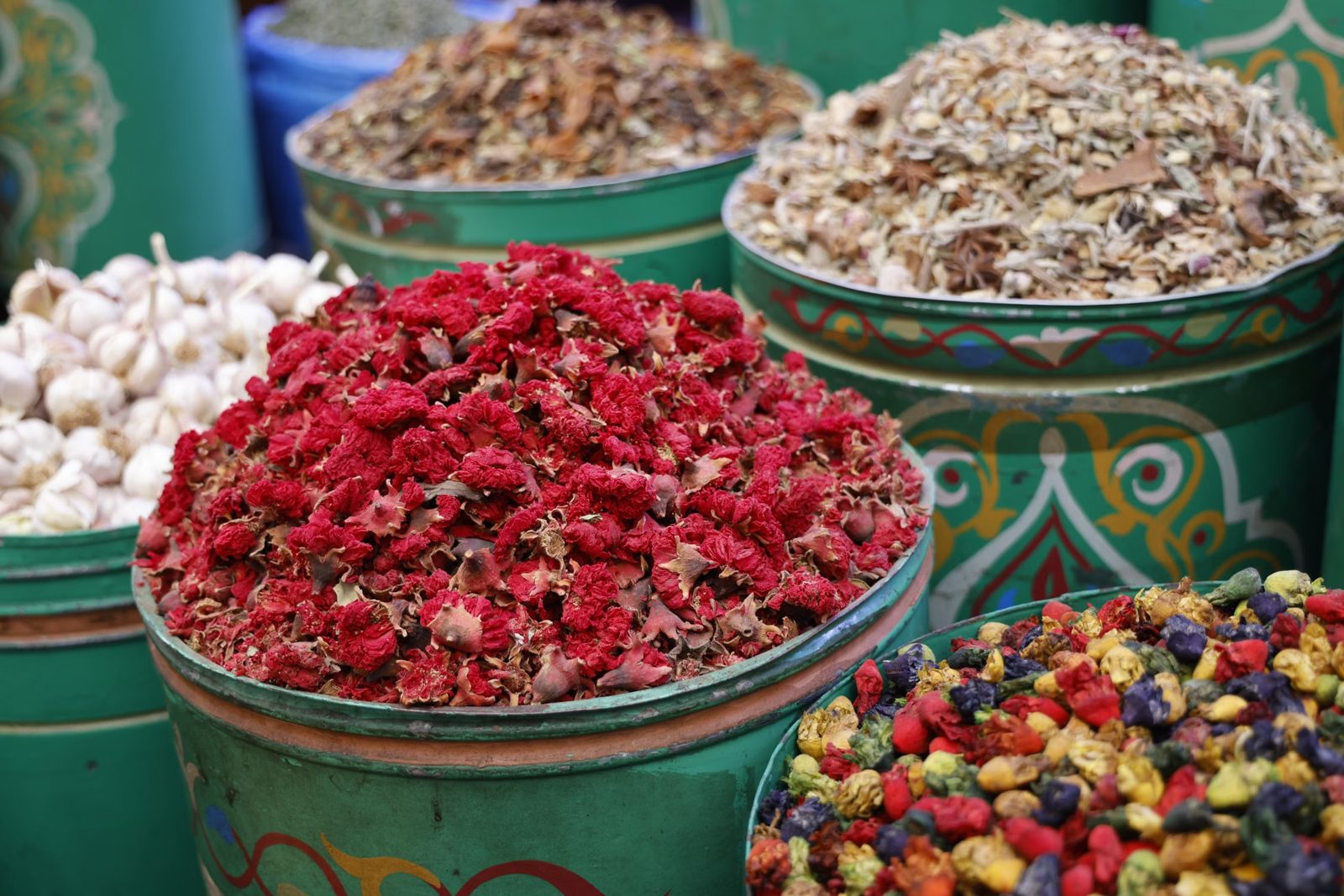
Dried flowers and herbs displayed separately in market bins. Illustrative photograph by Christophe RASCLE / Pexels.
At receipt, connect the material name, supplier batch number, pack labels, delivered quantity and matching COA. Select contaminant, microbiological or other quality requirements for the material and intended market. Resolve missing pages, inconsistent specifications or mismatched batches before deciding how to handle the input. A general promotional brochure is useful background, but does not replace the delivered batch’s records.
Visually similar or identically named materials may differ in composition, carriers and manufacturing behaviour. Review a replacement supplier against the existing material definition and analytical methods, and assess the need for new samples. Check whether artwork and research references still apply. A documented change record gives purchasing, formulation and production teams a shared reference for subsequent orders.
Compare the formal records. Confirm identity, preparation, composition and analytical bases before deciding whether the proposed input meets the agreed product requirements.
Contact ACC Biotech with your target market, ingredient direction, proposed serving or open questions, format, packaging and budget scope. We can discuss supplement OEM/ODM and ingredient sourcing. Available specifications, minimum quantities, documentation and delivery timing are confirmed for the individual project.
Contact ACC Biotech · WhatsApp enquiries · One-stop OEM/ODM service · Ingredient COA guide
NIH ODS — Natural product characterization
US example: 21 CFR 111.70 — Specifications
Cover: Assorted fresh herb plants in a garden. Illustrative photograph by https://kaboompics.com/ / Pexels.
Sources checked: 8 October 2026. Real illustrative stock photographs; they do not depict ACC facilities, staff or product outcomes.